
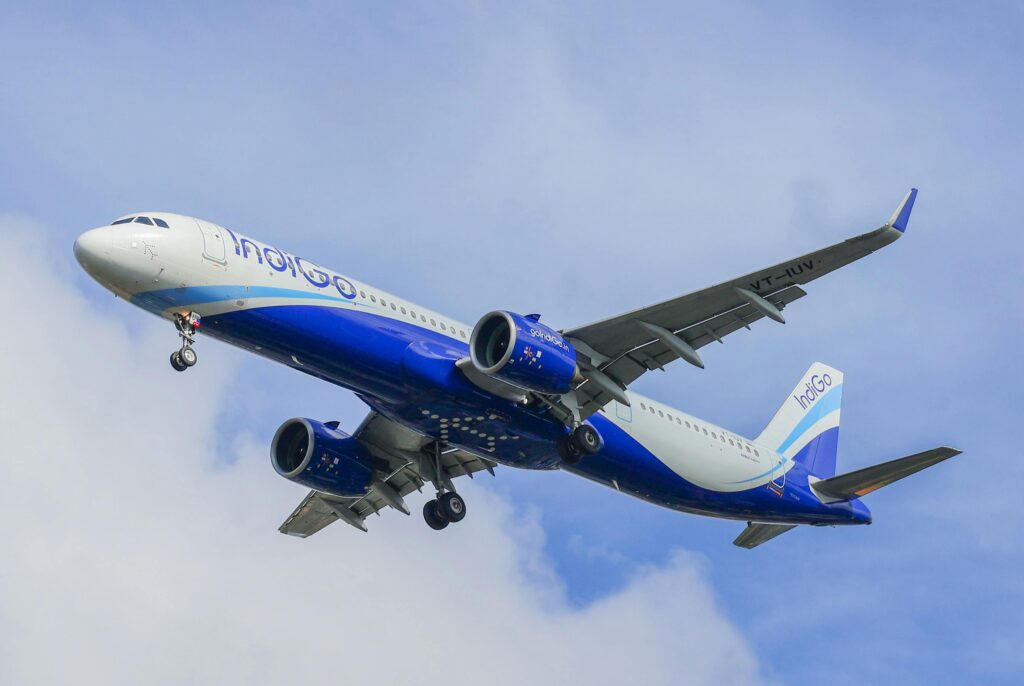
IndiGo, now faces intense government scrutiny and a mandatory capacity reduction following widespread operational chaos linked to crew rostering failures and non-compliance with new Flight Duty Time Limitations (FDTL) rules
The operational crisis at IndiGo, the nation’s largest airline, recently escalated into a major government-level matter. Massive flight cancellations and delays stranded thousands of passengers across the country. Consequently, the Directorate General of Civil Aviation (DGCA) and the Ministry of Civil Aviation (MoCA) initiated a stringent inquiry. The initial finding points primarily to lapses in crew rostering and preparedness for the second phase of revised Flight Duty Time Limitations (FDTL) norms. The Civil Aviation Minister has explicitly stated that no airline, regardless of size, will be permitted to cause such hardship through planning failures. This marks a defining moment for accountability in India’s booming aviation sector.
Immediate Regulatory Intervention and Penalties
The government responded with decisive action. Initially, the DGCA ordered a 5% cut in IndiGo’s approved winter schedule slots. Later, the MoCA stepped in, doubling the mandate to a 10% curtailment of domestic operations. This significant capacity cut effectively aligns the airline’s schedule with its current operational capability and available crew strength. Authorities also imposed fare caps on high-demand routes to prevent other carriers from opportunistic pricing amid the chaos. This regulatory pressure aims to stabilise the network quickly and safeguard consumer interests. IndiGo must submit a revised, truncated schedule, confirming compliance with the government’s strict directives.
A Strong Signal for Compliance Culture
The core issue stems from IndiGo’s perceived failure to adequately recruit and train personnel to meet the revised FDTL norms. These rules mandate stricter limits on duty hours and require increased rest periods for pilots, directly impacting crew utilisation. Despite having sufficient notice, the airline reportedly delayed adopting the necessary changes to its crew rostering software. This misjudgement and planning gap became critically apparent when the new FDTL phase took effect, causing the systemic breakdown. This crisis highlights the need for a robust compliance culture across the entire aviation industry. The government is committed to taking strict action to set an example.
The Hinge Point
The crisis point arrived not merely from poor planning, but from a strategic gamble. Reports indicate that IndiGo spent weeks before the November 1st FDTL rollout lobbying the DGCA for exemptions and deferments, particularly concerning limits on night landings. This time, critical for preparation and updating their rostering systems, was instead used to push for regulatory relief. The delay in updating the Boeing-owned Jeppesen crew rostering software is a key factual element underpinning this.
This delay, tied to the pursuit of regulatory leniency, left the airline unprepared, causing the operational mismatch between its ambitious schedule and its compliant crew availability. The DGCA panel is now scrutinising whether this lobbying effort directly contributed to the current severe operational disruption, exposing a flaw in the airline’s internal readiness and risk assessment strategy. Future implications include a potential major overhaul of IndiGo’s operational model and corporate governance structure. The episode has forced IndiGo to acknowledge its systemic failures.
The ultimate impact will be felt across the sector. The government is actively encouraging other airlines to add capacity. This move signals a serious effort to break any potential duopoly and foster a more resilient, competitive market. Passengers should expect a more vigilant regulatory environment going forward, ensuring that safety and operational adherence remain paramount.