
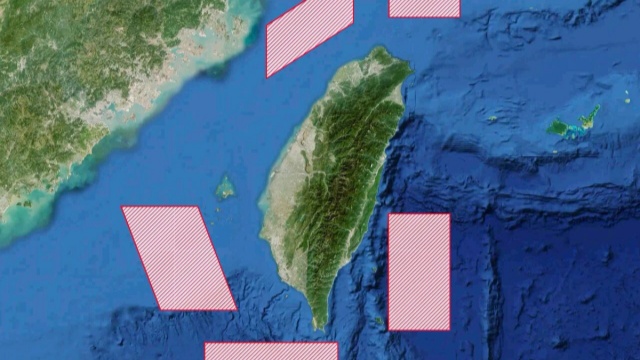
Fresh Chinese drills around Taiwan underline a shift in pressure tactics as regional and global stakes tighten
China conducted fresh military drills near Taiwan, involving naval and air assets operating close to the island’s surrounding waters. The exercises followed official announcements from Beijing and were visible enough to draw immediate regional attention.
The China military drills near Taiwan matter now because they come amid heightened political sensitivity across the Taiwan Strait. Moreover, they arrive at a time when regional military postures are already under strain, raising the cost of miscalculation.
Background of sustained pressure
Beijing has carried out similar drills before, and therefore the latest China military drills near Taiwan are not unprecedented. Over recent years, China has steadily normalised large-scale exercises around the island, often framing them as routine training.
However, the scope and frequency have expanded. As a result, the drills increasingly blur the line between signalling and operational readiness. This shift has gradually altered how neighbouring states and security planners interpret each move.
Also Read: Beijing Slams US Terror Report While Seeking Trust With India
Timing shaped by political context
The timing of the China military drills near Taiwan aligns with renewed political messaging from Taipei and firm statements from Beijing on sovereignty. At the same time, regional elections and leadership transitions elsewhere in Asia have sharpened diplomatic sensitivities.
Because of this context, the drills carry added weight. They reinforce Beijing’s position while testing how quickly regional actors respond under pressure. Consequently, timing itself becomes part of the message.
Immediate implications for the Taiwan Strait
The drills prompted heightened alert levels within Taiwan’s defence establishment, while commercial aviation and shipping monitored developments closely. Although no direct confrontation was reported, operational proximity increased.
China military drills near Taiwan also place stress on existing crisis management mechanisms. When exercises operate closer to key routes and airspace, reaction windows shorten. Therefore, even standard procedures demand greater precision and restraint.
Global and systemic relevance
Beyond the region, the China military drills near Taiwan resonate with global security calculations. Several major economies rely on stability in East Asian trade routes, and therefore, any sustained tension affects supply chains and insurance costs.
In addition, global military planners study these drills as indicators of evolving doctrine. As China integrates naval, air, and missile forces more tightly, the exercises offer insights into how future contingencies might unfold.
The Hinge Point
The hinge point lies in how China military drills near Taiwan are no longer episodic demonstrations but an embedded feature of regional military life. This marks a structural change. Once drills become constant, they redefine what counts as escalation.
From this point, deterrence calculations must adjust. Taiwan and its partners can no longer treat each exercise as an isolated event. Instead, they must plan around a persistent operational environment shaped by Chinese presence.
Equally, Beijing now bears a different responsibility. Sustained drills reduce strategic ambiguity, because patterns reveal intent and capability over time. That transparency constrains flexibility, even for the actor applying pressure.
What cannot remain the same is the assumption that stability depends on restraint alone. Stability now depends on managing permanence. The China military drills near Taiwan have shifted the story from signalling to structure, and that change alters every future decision in the region.