
Attacks on vital oil and transport infrastructure mark a sharp escalation in regional hostilities
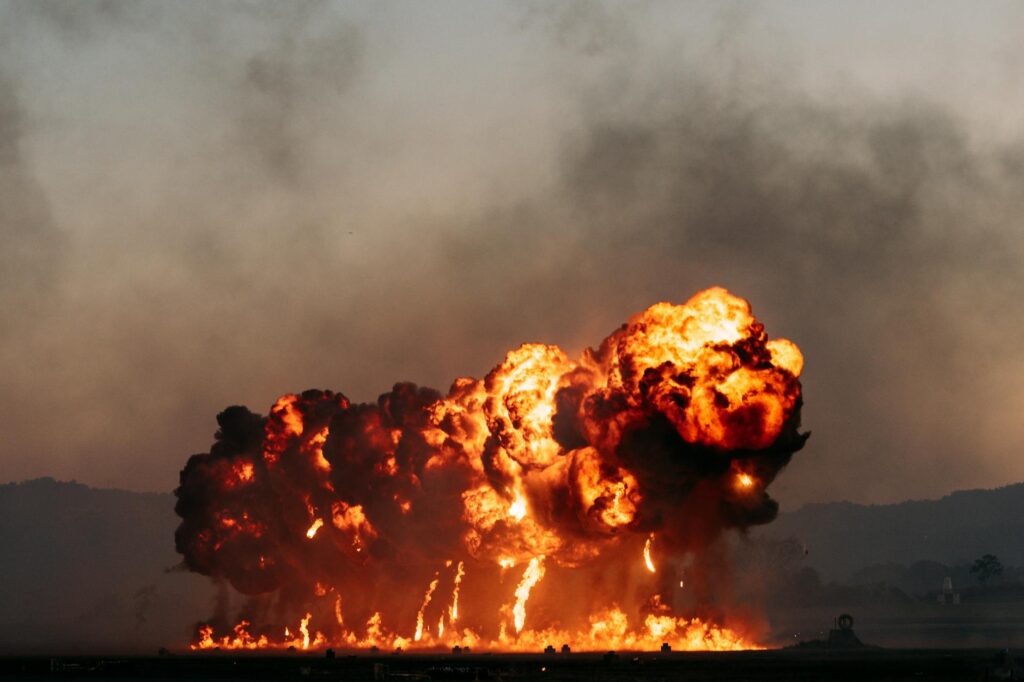
Multiple explosions targeted the primary oil export hub at Kharg Island and a critical bridge in central Iran during the early hours of 7 April 2026. These strikes represent a direct assault on the economic arteries that sustain the Iranian state. Specifically, the destruction of the bridge in the central corridor disrupts the military supply chain between manufacturing hubs and peripheral border zones.
Notably, this coordinated strike arrives at a moment of extreme geopolitical friction following the recent breakdown of back-channel communications. Consequently, the synchronised nature of these attacks indicates a sophisticated intelligence capability aimed at crippling Iran’s energy export capacity. This kinetic escalation forces a reassessment of domestic security across the entire Persian Gulf.
Decoupling the Energy Export Mechanism
Significant damage at the Kharg Island terminal has halted nearly 90 per cent of Iran’s crude oil exports. Therefore, the immediate loss of revenue will severely constrain the regime’s administrative capacity to fund its regional proxies. Meanwhile, the global energy market has reacted with a sharp spike in Brent crude futures.
Also Read: Iran’s Strike Arsenal Half-Intact as Tehran Threatens Retaliation
Alternatively, the tactical selection of the central bridge suggests a broader objective than mere economic sabotage. By severing this transport link, the attackers have effectively isolated key logistical nodes. Consequently, the rapid deployment of internal security forces is now physically obstructed.
Timing and the Strategic Vacuum
Significantly, these explosions occurred precisely as regional powers were shifting their defensive postures toward the northern borders. However, the breach at Kharg Island reveals a critical vulnerability in Iran’s maritime air defence umbrella. Therefore, the timing suggests the perpetrators utilised a window created by the recent redeployment of surface-to-air missile batteries.
Specifically, the lack of an immediate state response highlights the paralysis currently affecting the command-and-order hierarchy. Meanwhile, satellite imagery confirms that the structural integrity of the Kharg loading docks is compromised. Consequently, a prolonged period of export inactivity is now unavoidable.
Systemic Shifts in Warfare Patterns
Notably, the use of precision-guided munitions against non-military transit points reflects a total shift in the rules of engagement. Furthermore, this pattern of striking both energy and transport sectors simultaneously mirrors the tactics observed in recent Eastern European conflicts. Consequently, the regional security architecture is no longer sufficient to protect fixed industrial assets.
Significantly, the failure of electronic warfare suites to intercept the incoming threats points to a generational leap in offensive technology. Therefore, the reliance on traditional anti-aircraft systems has proven ineffective against this specific kinetic escalation. Alternatively, the psychological impact on the Iranian workforce will likely accelerate the ongoing domestic brain drain.
The Hinge Point
These attacks move the confrontation from the realm of shadow warfare into an era of overt infrastructure dismantling. Specifically, the choice of Kharg Island proves that the global energy supply chain is no longer a protected red line in this conflict. Consequently, the previous assumption that oil-rich nations are immune to total economic blockade through physical destruction is dead. Therefore, the strike on the central bridge confirms that the territorial interior is now as vulnerable as the coastline.
Notably, this event signals that the adversary is prepared to trigger a global energy crisis to achieve a domestic political collapse in Tehran. However, the most critical shift is the transition from targeting personnel to targeting the state’s physical foundations. Consequently, the regime is now faced with a choice between immediate military retaliation and an irreversible loss of its sovereign revenue base. This kinetic escalation marks the start of a period in which technological superiority replaces traditional deterrence as the sole guarantor of national survival.