
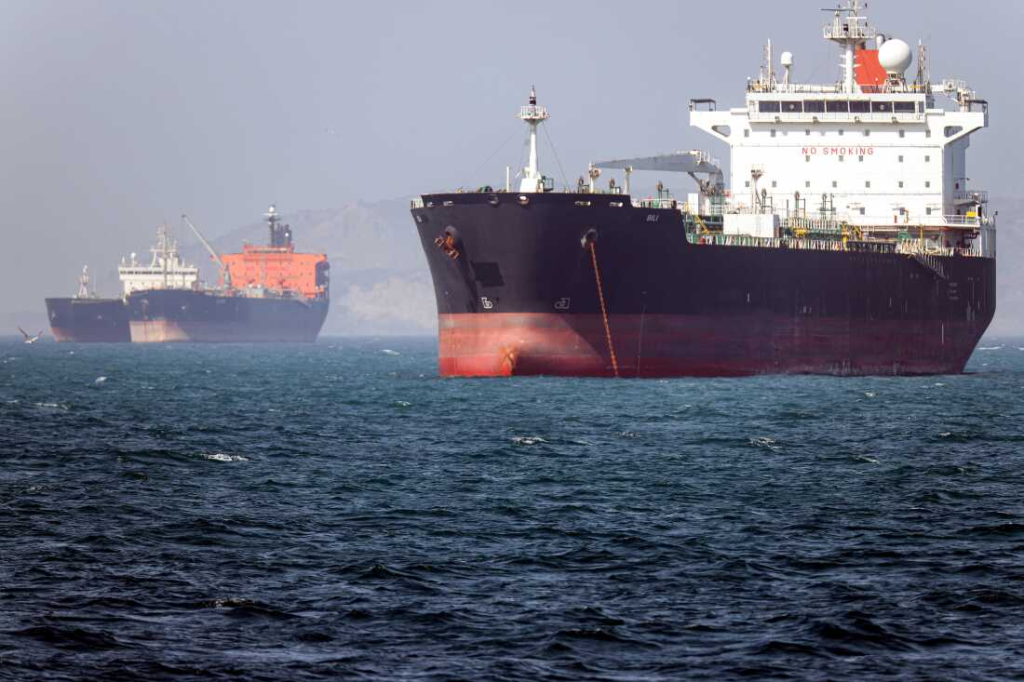
A tactical halt to Project Freedom reveals how close Washington and Tehran actually are
The United States has suspended Project Freedom, its military pressure campaign targeting the Strait of Hormuz, while diplomatic negotiations with Iran continue. President Trump confirmed the pause directly, framing it as short-term and conditional. The halt is not a withdrawal. It is a signal with a deadline attached.
The weight of this decision sits in what it concedes. Washington has effectively acknowledged that sustained military posturing and active negotiation cannot run in parallel indefinitely. One instrument had to yield. Notably, it was the military one.
What Project Freedom Was Designed to Do
The Hormuz operation was constructed as a coercive tool, not a combat plan. Specifically, its purpose was to raise the operational cost of Iranian regional activity while keeping direct confrontation below the threshold of open conflict. Consequently, pausing it does not remove American capability. However, it does remove the daily pressure that the operation was generating on Iranian decision-makers.
Also Read: Khamenei’s Heir Tells Gulf: Iran’s Future Needs No America
The Negotiating Logic Behind the Pause
Iran has consistently refused to negotiate under what it describes as maximum pressure conditions. Therefore, the pause represents a procedural concession designed to keep the current round of talks alive. Significantly, this mirrors the sequencing used in the 2015 JCPOA process, in which American gestures of restraint unlocked Iranian flexibility at critical junctures. The Trump administration is applying a version of that architecture while publicly rejecting its legacy.
Who Gains Ground in the Interim
Iran gains breathing room. Its proxies in Yemen, Iraq, and Lebanon face reduced threat signalling from American assets in the region. Alternatively, Gulf states that depended on the Hormuz operation as evidence of American commitment now face a short window of strategic ambiguity. Meanwhile, China and Russia, both active in the current diplomatic track, gain leverage as indispensable intermediaries. The pause benefits every party that preferred talking to continuing the pressure campaign.
The Hinge Point
The suspension of the Hormuz operation is not a diplomatic courtesy. It is a concession made because the talks have reached a stage where something substantive is on the table. The Trump administration does not pause military operations for procedural reasons. The pattern across this presidency is consistent: restraint follows proximity to a deal, not goodwill. Iran’s agreement to continue negotiations after months of refusing direct engagement confirms that both sides are now negotiating terms rather than positions. The Hormuz operation will resume if talks collapse. Its pause is the clearest available evidence that they have not.