
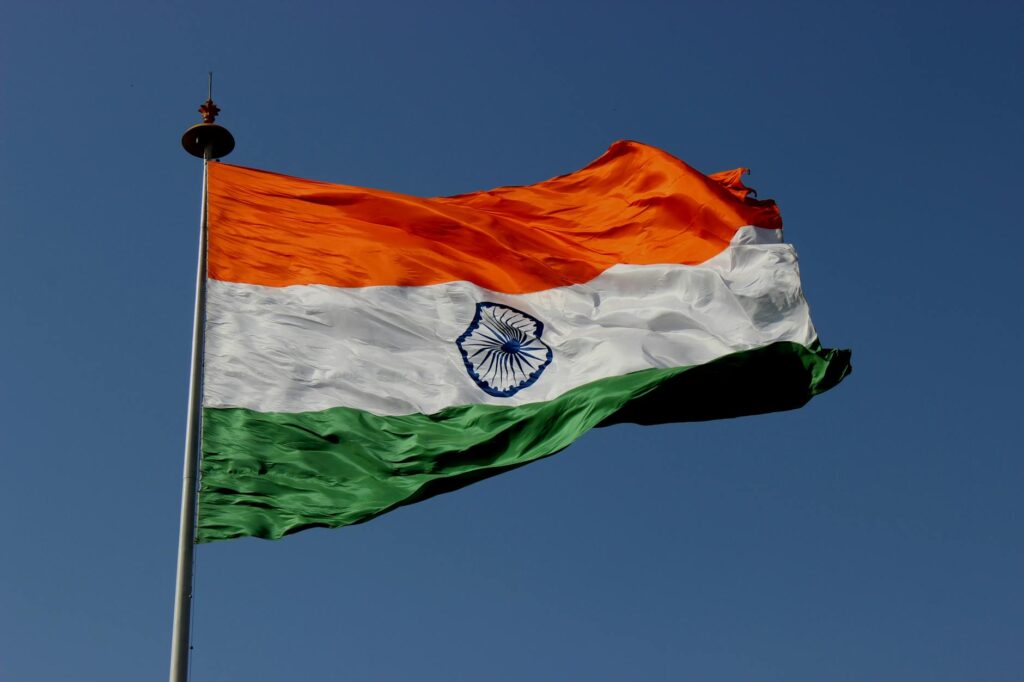
India overtakes Japan in GDP terms, marking a shift from potential to position in the global economic hierarchy
India has overtaken Japan to become the world’s fourth largest economy by nominal GDP. The change reflects updated global output estimates and sustained domestic growth momentum.
However, the moment matters because it confirms a transition already underway. India fourth largest economy is no longer a projection. Instead, it is now a reported fact shaping how markets, governments, and institutions respond.
The long arc of economic ascent
India’s rise in global rankings has been gradual but consistent. Over the past decade, economic expansion has been supported by domestic consumption, public infrastructure spending, and services exports.
At the same time, Japan’s economy has been mired in structural stagnation. While it remains technologically advanced, weak growth and demographic constraints have limited expansion. Therefore, India’s fourth-largest economy emerges less from a sudden surge and more from diverging trajectories.
Also Read: Startup India scheme decoded: How funding, eligibility and benefits shape new ventures
Why the timing matters now
The timing of this shift is critical. India is growing at a pace well above most large economies, while inflation has remained relatively contained. As a result, the economy is operating in what policymakers describe as a Goldilocks phase.
Because global growth remains uneven, India’s status as the fourth-largest economy stands out more sharply today. It arrives when supply chains are being reworked and capital is seeking stable growth anchors.
What this changes for India
This ranking strengthens India’s negotiating position in global forums. Trade discussions, investment flows, and multilateral influence increasingly reflect economic weight.
Moreover, India fourth largest economy status raises expectations at home. Growth delivery now faces closer scrutiny, since scale brings responsibility as well as opportunity. Therefore, policy credibility becomes more valuable than headline numbers.
Global implications beyond rankings
Globally, the shift alters the distribution of economic power. Asia’s centre of gravity continues to move southward, even as China’s growth moderates.
Consequently, India fourth largest economy reinforces a multipolar economic order. It challenges older assumptions about where growth and demand will originate over the next decade.
The Hinge Point
This is the moment when India’s economic story stops being framed around promise and starts being judged on performance at scale. India fourth largest economy status closes one narrative chapter and opens another.
From this point onward, comparisons change. India is no longer measured primarily against emerging peers but against advanced economies it now rivals in size. Therefore, institutional quality, labour productivity, and policy execution can no longer lag ambition.
At the same time, global systems must adjust. Investment strategies, geopolitical alignments, and development models that treated India as a future bet now face a present reality. The hinge lies in recognition. Once India fourth largest economy is accepted as structural rather than cyclical, expectations harden.
What can no longer remain the same is the tolerance for incremental reform. Scale magnifies both success and friction. As a result, the margin for policy drift narrows. This turning point is not about celebration. It is about accountability matching size.