
Washington’s exit calculus shifts from the Strait to survival, and oil markets feel it first
Washington’s posture on the Iran war shifted measurably this week. The White House signalled that reopening the Strait of Hormuz is not a precondition for ending the conflict, with Secretary of State Marco Rubio stating the strait would reopen “one way or another” after military operations concluded. Time That formulation is not a concession. It is a strategic reordering.
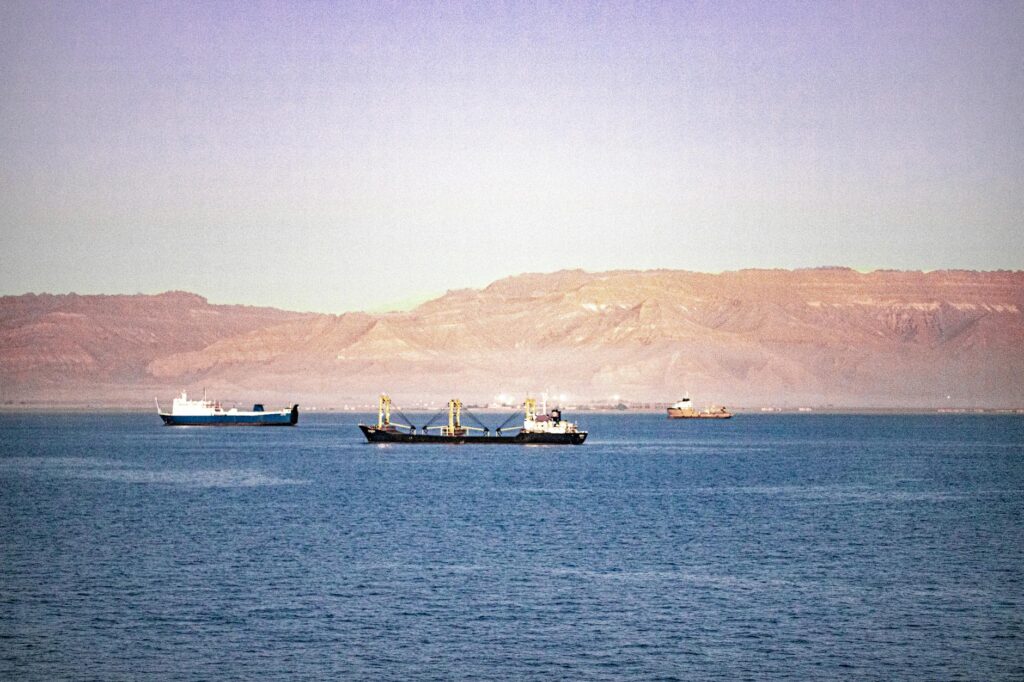
The distinction matters enormously. For five weeks, the Strait of Hormuz has served as the public pressure point of the conflict. Shipping traffic through the strait has virtually ground to a halt since the United States and Israel launched strikes against Iran on 28 February. Brent crude is on track for its steepest monthly rise on record. The Iran ceasefire deal, as it is now being constructed, appears designed to separate the question of ending the war from the question of who controls the waterway.
Pakistan Carries the Weight
Pakistan confirmed it is mediating between the United States and Iran, with Islamabad passing a 15-point American proposal to Tehran and Prime Minister Shehbaz Sharif holding a 90-minute call with Iranian President Masoud Pezeshkian to lay the groundwork for peace talks. This is not a ceremonial role. Pakistan offers Washington a channel that carries legitimacy in Tehran without the bilateral toxicity of direct contact.
Also Read: Why Iran Is Striking the Gulf States in Its War Against America
Washington’s 15-point plan includes a one-month ceasefire, Iranian surrender of its highly enriched uranium stockpiles, a halt to enrichment, curbs on its ballistic missile programme, and an end to support for regional proxies. Tehran’s counter-position is structurally incompatible. Iran’s five conditions include an end to aggression, guaranteed prevention of future war, war reparations, a comprehensive end to hostilities across all fronts, including resistance groups, and formal recognition of Iranian sovereignty over the Strait of Hormuz.
Why the Deadline Keeps Moving
Trump has extended his deadline for Iran to reopen the Strait of Hormuz twice, with the current deadline set at April 6, citing ongoing negotiations. Each extension has led to a drop in oil prices. When Trump announced the first delay and referenced productive conversations with Iran, crude oil prices tumbled on the news. The pattern is deliberate. The threat of destroying Iranian energy infrastructure is functioning as a price management tool, not a serious military commitment.
Iran agreed to allow 20 Pakistani-flagged vessels through the Strait of Hormuz, a gesture that demonstrates Tehran retains precise, selective control over transit. Friendly nations pass. Adversaries do not. This selective opening is Iran’s negotiating card, held intact.
The Economics of a Fragmented Strait
Iran’s foreign minister stated that countries including India, China, and Russia have been allowed to send ships through the strait, while vessels linked to adversaries face blocking. This partial reopening serves Iran’s interest more than any full closure would. It fragments global energy dependence along geopolitical lines and forces Gulf states to recalculate their alignment.
Netanyahu floated the idea of diverting all Gulf energy pipelines overland across Saudi Arabia to the Red Sea and onward to Israeli Mediterranean ports, an infrastructure proposal that signals the war’s secondary agenda: the permanent rerouting of energy flows away from Iran’s geographic leverage.
The Hinge Point
Trump is not trying to win the Strait of Hormuz. He is trying to exit the war before the April 6 deadline forces him to either strike Iranian power plants or admit the ultimatum was hollow. Both outcomes damage him domestically. Trump’s approval rating has fallen to 36 per cent in recent polls, driven by rising fuel costs and public concern over the war. The Iran ceasefire deal being assembled via Pakistan is therefore structured around what Trump can claim as a win, not what the situation on the water actually reflects. Rubio’s framing, that the strait will open either through Iranian compliance or a coalition of nations, deliberately separates the military exit from the maritime outcome. Washington ends the war. A coalition of affected powers, including China, Japan, South Korea, France, and the UK, takes responsibility for the strait’s operational status. In this architecture, the Iran ceasefire deal is not a resolution of the Hormuz question. It is a transfer of that question to multilateral actors while the United States declares the conflict concluded. Tehran understands this. Its selective transit policy is designed precisely to survive into the post-war period, giving Iran durable leverage that no ceasefire text will easily erase.