
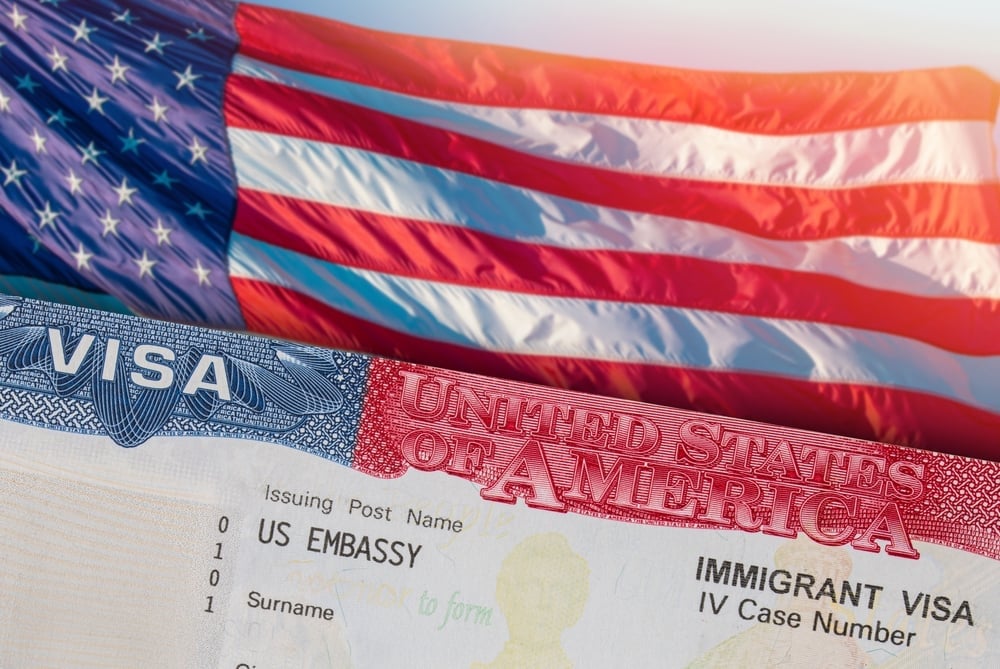
A sudden halt on immigrant visas for 75 countries marks a sharp shift in how Washington wants to manage migration
The United States has announced that it will no longer issue immigrant visas to citizens of 75 countries. The move covers people who would normally migrate through family, work, or diversity visa routes. It is not a travel advisory. It is a structural pause on permanent entry.
This matters because immigrant visas are how the US has traditionally renewed its workforce and population. When the US bans immigrant visas at this scale, it alters who gets to build a future inside the country.
Why Washington moved now
The timing of the policy reflects growing political pressure inside the US around border control and domestic jobs. Election-year politics have also made migration a sharper fault line. Because of this, the White House has chosen a blunt tool rather than narrow adjustments.
However, the US bans immigrant visas decision also sits alongside a wider rethink of how migration systems cope with global instability. Conflicts, climate shocks, and economic collapse have pushed more people to seek permanent relocation. Governments are now struggling to keep their intake rules aligned with voter sentiment.
How the ban reshapes global movement
Also Read: Kim Jong Un’s Unconditional Support for Putin Signals a New Era in North Korea Russia Support
The countries affected include large parts of Africa, the Middle East, and South Asia. For millions of families, this closes a door that had been open for decades. Because the US bans immigrant visas across so many regions, migration pressure will now redirect to Canada, Europe, and the Gulf.
This also shifts how other governments negotiate with Washington. Visas have long been a soft power tool. When access disappears, so does a form of diplomatic leverage that smaller states relied on.
What this does to America’s own economy
The US economy still depends on migrant labour across healthcare, construction, and technology. When the US bans immigrant visas, employers face a tighter pipeline for skilled and semi-skilled workers. That raises costs and slows growth.
Yet politically, the move signals that domestic stability now ranks above long-term workforce planning. This tension between economic need and political caution will shape how long the freeze lasts.
The Hinge Point
For decades, the US migration system worked on the assumption that even when borders tightened, permanent immigration would continue in some form. That assumption no longer holds. When the US bans immigrant visas for 75 countries in one sweep, it moves from selective control to structural exclusion.
This forces a new global reality. Countries that once saw the US as a release valve for demographic and economic pressure must now absorb those pressures at home. At the same time, America has chosen to trade future labour and demographic renewal for immediate political stability.
The bigger change is not about one policy. It is about how leading economies now respond to a world where people move faster than politics can adapt. This shift will define how migration, labour, and global influence work in the years ahead.