
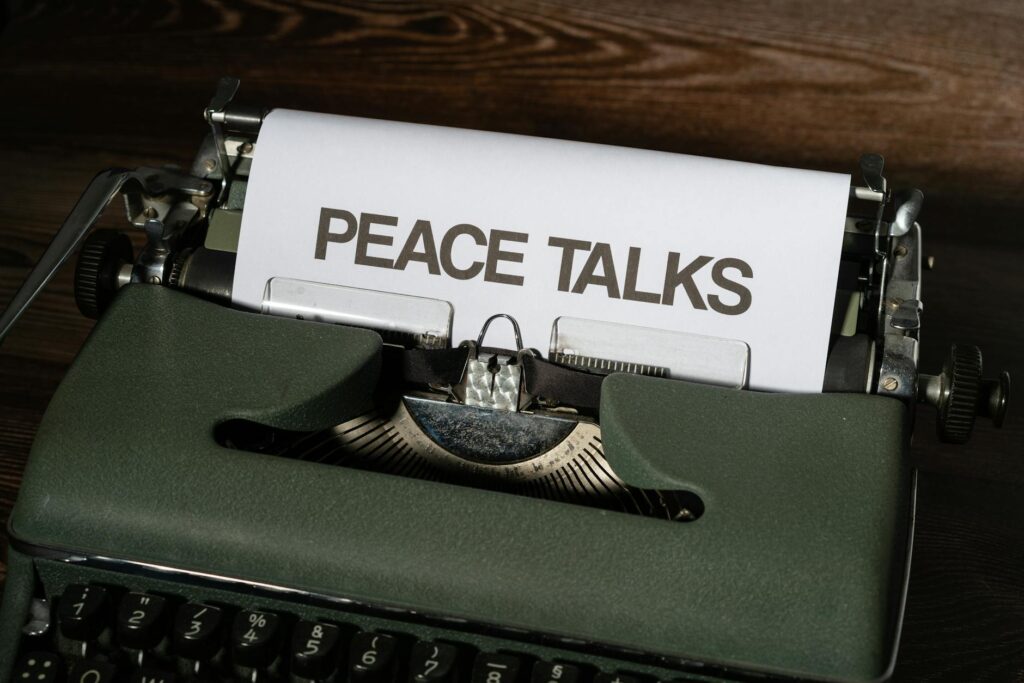
Washington’s preconditions reveal a negotiating posture that Tehran has already rejected once
The United States has formally signalled its willingness to return to diplomatic engagement with Iran, attaching two explicit conditions to any resumption of dialogue. The conditions centre on Iran’s uranium enrichment levels and its cooperation with international inspectors. Neither demand is new. Both have been refused before.
The significance here is structural. Washington is not offering a blank table. It is offering a table already set to its own specifications, which transforms an invitation into a precondition framework. That distinction shapes everything that follows.
What the Two Conditions Actually Require
The first condition demands that Iran halt enrichment above a specified threshold, effectively rolling back progress Tehran has made since the 2018 collapse of the Joint Comprehensive Plan of Action. The second requires restored access for International Atomic Energy Agency monitors, whose inspections Iran restricted progressively after sanctions were reimposed. Together, the conditions ask Iran to surrender its primary sources of negotiating leverage before talks begin.
Also Read: US-Iran Talks in Pakistan Collapse Without a Deal
Why Washington Is Moving Now
Regional pressure is building from multiple directions simultaneously. Israel has maintained a consistent posture of military preparedness regarding Iranian nuclear infrastructure. Gulf states, particularly Saudi Arabia, are recalibrating their own security frameworks and watching Washington’s Iran policy as a signal of broader commitment. Consequently, the US Iran nuclear talks initiative arrives not from diplomatic momentum but from the need to demonstrate that a non-military pathway remains available and credible.
Meanwhile, Iran’s domestic economy is absorbing the cumulative costs of successive rounds of sanctions. The rial has weakened sharply. Inflation remains structurally elevated. However, economic pressure alone has not historically produced Iranian concessions on enrichment. The record shows the opposite pattern: external pressure accelerates the programme rather than restraining it.
The European Position Adds a Layer of Complexity
European signatories to the original agreement, specifically France, Germany, and the United Kingdom, retain their formal role in any renewed framework. Significantly, their leverage has eroded since 2018. They were unable to deliver the economic relief they had promised to Iran after the US withdrew, damaging their credibility as guarantors. Therefore, any new agreement that excludes robust European economic commitments faces the same foundational weakness as the arrangement it would replace.
The Hinge Point
The US Iran nuclear talks framework, as currently structured, asks Iran to dismantle its leverage in exchange for a seat at a table the US previously walked away from. Iran’s calculus is straightforward: enrichment capacity and inspector restrictions are the only instruments that have produced international attention. Surrendering them before dialogue begins removes the incentive structure that brought Washington back. The two conditions are not a pathway to negotiation. They are a measurement of whether Iran trusts the process enough to enter it defenceless. Based on the conduct of both parties since 2018, the evidence shows that trust of that magnitude does not exist on either side of this table.