
A naval standoff ends on paper, but the terms will determine whether oil flows freely
The United States and Iran have reached an agreement to ease the naval blockade and gradually reopen the Strait of Hormuz, the waterway through which roughly a fifth of the world’s traded oil passes. The deal, confirmed through diplomatic channels, represents the first formal de-escalation between the two powers over this chokepoint in years.
The weight of this agreement sits not in the handshake but in the sequencing. A gradual reopening means the leverage does not dissolve overnight. Iran retains the ability to modulate compliance, and Washington retains the threat of reimposed pressure. Both sides have chosen managed ambiguity over clean resolution.
What a Blockade of This Waterway Actually Does
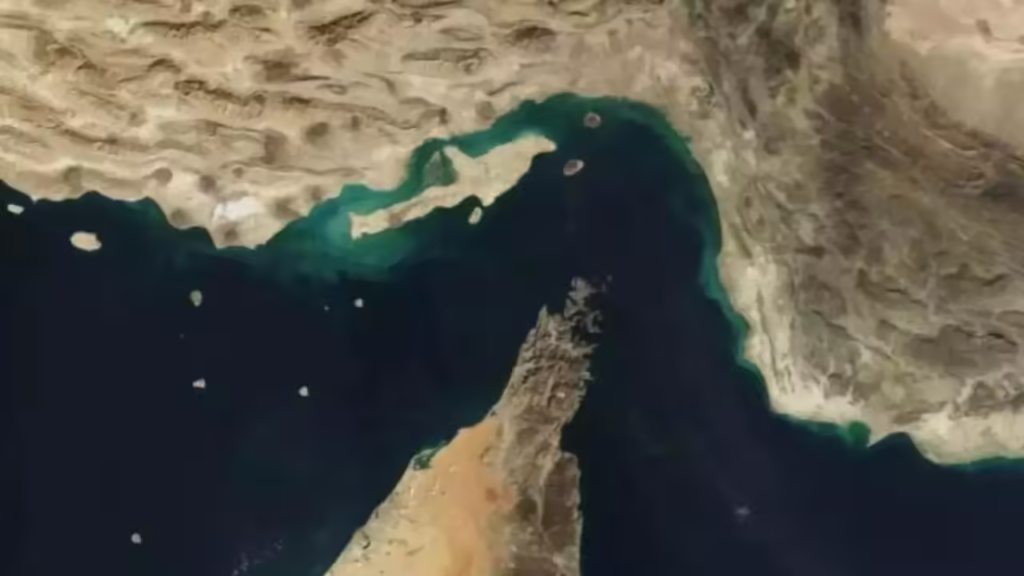
The Strait of Hormuz sits between Oman and Iran at its narrowest point. Closing or degrading transit through it does not merely raise oil prices. It disrupts liquefied natural gas shipments from Qatar, cuts supply lines to India and East Asia, and forces tanker operators into lengthy re-routing that compounds costs across every downstream industry.
Also Read: Trump Pauses Hormuz Operation as Iran Nuclear Talks Advance
The Timing Reflects Competing Pressures on Both Sides
Washington is navigating an energy market already strained by spillover from conflicts in other regions. Consequently, any prolonged closure of the Strait of Hormuz carries direct electoral and economic costs that the administration cannot absorb quietly. Meanwhile, Iran faces currency depreciation and import constraints severe enough to limit its tolerance for a sustained standoff. Notably, neither side announced this agreement from a position of dominance. Both arrived at the table constrained.
Who Gains and Who Absorbs the Cost
Gulf Arab states, particularly those dependent on oil export revenues, gain most immediately from restored passage. Significantly, India gains as well. As one of the largest importers of Gulf crude, India faced direct exposure to both higher prices and supply uncertainty during the blockade period. Therefore, New Delhi watches this agreement with particular interest, even as it maintains deliberate public distance from the confrontation. Shipping and insurance markets will take longer to normalise. Premiums moved sharply during the blockade, and underwriters revised their models cautiously.
The Hinge Point
The agreement over the Strait of Hormuz does not resolve the underlying contest between Washington and Tehran. It suspends one instrument of that contest. The graduated reopening structure tells the fuller story. Iran keeps a hand on the dial. The United States accepts that arrangement because the alternative, a protracted closure, costs American allies and partners more than it costs Iran in the short term. That asymmetry is the actual negotiating reality this deal encodes. Hormuz is not being returned to neutral status. It is being managed jointly, informally, and temporarily by two governments that have not resolved a single foundational disagreement. The strait opens. The tension does not.