
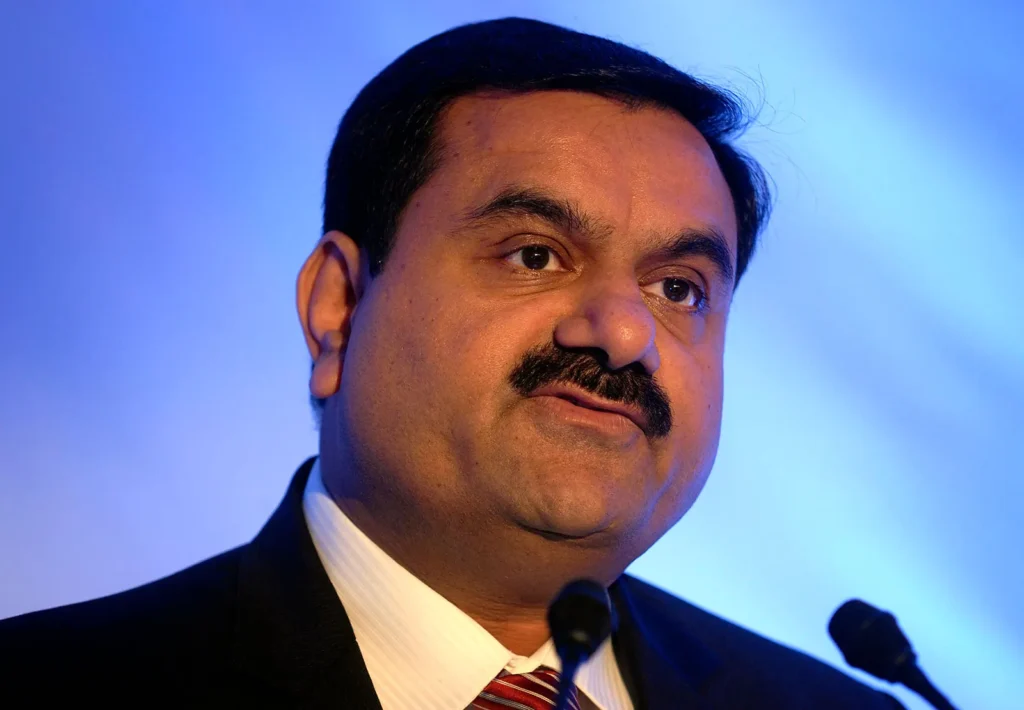
The ranking shift reflects a deeper reordering of where Indian capital now flows
Gautam Adani has displaced Mukesh Ambani at the top of Asia’s wealth rankings, a position Ambani held with near-permanence for much of the past two decades. The shift is recorded in net worth figures tracked by financial indices, driven by Adani Group’s sustained stock appreciation across its ports, energy, and airport holdings.
However, the significance of this moment is not biographical. It is structural. The two men represent distinct models of Indian capitalist power, and the one now ranked higher tells a precise story about which model the present political economy rewards.
Infrastructure Captures the Premium
Adani Group’s ascent is rooted in hard infrastructure: ports, airports, power transmission lines, green energy capacity, and logistics corridors. Consequently, its valuation is tied directly to state-linked contracts and national development priorities. Specifically, each major Adani asset sits at an intersection of government policy and private operation. Notably, this is not coincidental positioning. It is the architecture of the group’s growth strategy.
Also Read: AAP Strips Raghav Chadha of Rajya Sabha Deputy Leader Role
What Slowed Reliance’s Relative Climb
Reliance Industries built its retail and digital dominance during a period of platform-driven valuation expansion. Therefore, when global sentiment on technology and consumer platforms cooled from 2022 onwards, Reliance’s Jio and retail verticals attracted sharper scrutiny on earnings multiples. Meanwhile, Adani’s infrastructure assets benefited from a global repricing of physical capacity as supply chain fragility made hard assets attractive again. The timing of each group’s dominant sector shaped the gap between them.
The Political Economy of Indian Wealth
Adani surpasses Ambani at a moment when the Indian state is committing unprecedented capital to physical infrastructure. The government’s infrastructure pipeline, running into tens of trillions of rupees across roads, ports, power, and logistics, flows disproportionately through frameworks that Adani Group is positioned to service. Consequently, the group’s valuation is partially a market reading of where public investment will concentrate. Significantly, this creates a wealth model that is less exposed to consumer sentiment and more anchored to sovereign spending priorities.
The Hinge Point
The moment Adani surpasses Ambani is also the moment India’s wealth creation axis visibly tilts from consumption to construction. Ambani’s fortune was built on the premise that India’s hundreds of millions of consumers represented the defining economic opportunity of the era. That premise remains true. However, the market is now assigning a higher premium to whoever controls the physical systems through which those consumers will eventually be served: the ports that move goods, the airports that carry passengers, the power grids that run factories. Adani Group owns the pipes; Reliance sells what flows through them. The ranking reflects the market’s current answer to which half of that equation is worth more.